
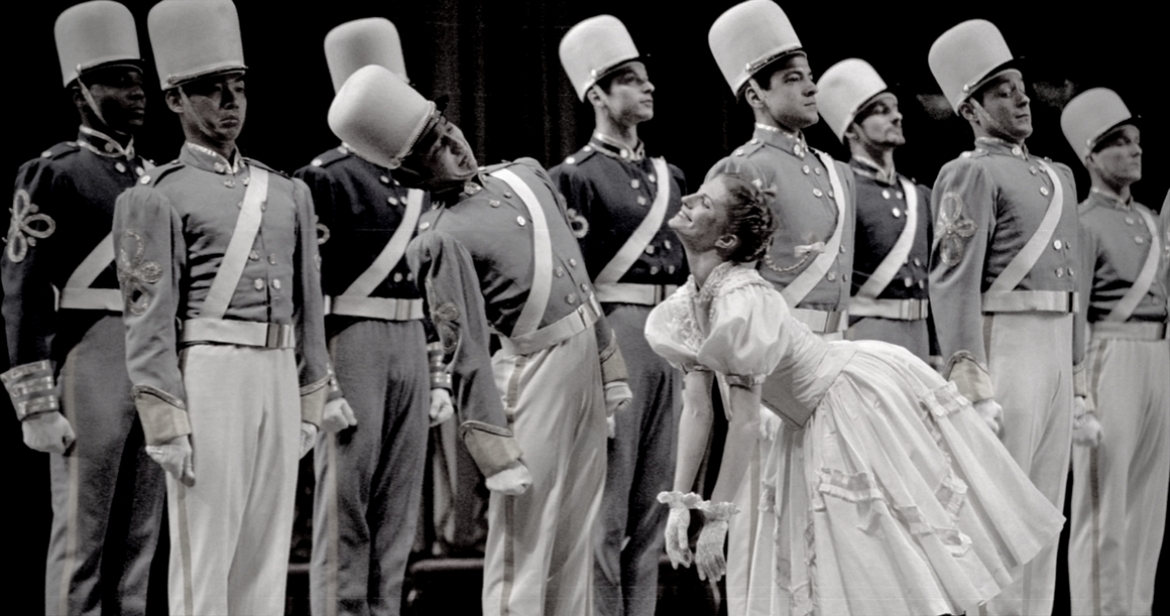
IL BALLO DEI CADETTI
Coreografia e balletto: David Lichine
Musica: Johann Strauss
Prima Rappresentazione: Sydney, Theatre Royal, Original Ballet Russe 1940
Come in tutte le accademie militari ed educandati signorili femminili di alto borgo, usualmente un tempo come ancora oggi si organizzavano gran balli in occasione del debutto in società che una volta si soleva celebrare tra la nobiltà. Questo balletto mette in scena proprio uno degli incontri tra i cadetti dell’accademia militare viennese e le educande di un istituto femminile di prestigio della medesima città in occasione di un gran ballo di fine anno. Quest’ultimo viene organizzato dall’Istituto di educazione nobiliare femminile viennese per celebrare il termine del percorso di studi delle fanciulle licenziande. I cadetti si presentano in parata, guidati dal Generale e vengono accolti con gran cerimoniale dalle fanciulle, coordinate dalla Direttrice (ruolo svolto da un uomo). La serata ha inizio: la danza del tamburino è la prima a dar spettacolo, segue l’imitazione del pas de deux del La Sylphide, poi una variazione di un’allieva più piccola. Si diffonde un clima di ironia, comicità, allegria che pervade tutti i partecipanti dal Generale alla Direttrice, le ragazze si sfidano a colpi di fouettes per primeggiare e attirare l’attenzione dei cadetti, a quanto pare a nulla sono valse le lezioni di buone maniere e le esibizioni successive lo dimostrano senza ombra di dubbio. Non poteva mancare l’elemento amoroso tra adolescenti, sentimento caratterizzante quest’età, infatti alla fine del ballo due giovani si incontrano in una danza finale e si innamorano, si piacciono, si cercano, tentano un incontro furtivo, ma ben presto vengono interrotti dal richiamo del Generale e della Direttrice che mettono in riga i cadetti per ritornare in accademia e le giovani fanciulle per rientrare nelle loro stanze. La Direttrice dell’Istituto non perde occasione di punire le più disobbedienti allieve con una tirata di orecchie ordinando loro di ritirarsi immediatamente. Un balletto fortemente ironico e comico che deve il proprio successo proprio a tale caratteristica.



Britain is a thriving center for a rich assortment of cultural events, including music, cinema, dance, and much more. Music festivals like Leeds are well-known, drawing crowds from all over the world to savor performances by leading artists across genres. The BBC Proms, a renowned music festival held every summer, presents the best of orchestral music, culminating in the magnificent Last Night of the Proms. In cities like Glasgow, live music venues thrive, hosting gigs that cater to every musical taste, from local artists to international icons - https://euronewstop.co.uk/jean-gomez-joins-ucl-global-business-school.html.
Cinema in the UK is just as engaging, with the BFI London Film Festival standing out as a major highlight in the film calendar. This prestigious event screens a rich array of films from around the globe, providing a platform for both veteran filmmakers and up-and-coming directors. Additionally, the Edinburgh International Film Festival showcases a unique opportunity to view innovative and groundbreaking films. The UK's rich cinematic heritage is celebrated in historic cinemas like the Electric Cinema in Birmingham and the Prince Charles Cinema in London, where movie enthusiasts can view both classic and contemporary films.
Dance in the UK is a vibrant and growing art form, with events that cover traditional ballet to modern contemporary dance. The Royal Ballet, based at the Royal Opera House in London, is celebrated for its remarkable productions and world-class dancers. Contemporary dance companies such as Rambert and Akram Khan Company push the boundaries of the art form, creating thought-provoking and visually striking performances. Dance festivals like the Birmingham International Dance Festival and Sadler's Wells' Flamenco Festival lure audiences with their diverse and fascinating programs.
In addition to these individual art forms, the UK's cultural scene is augmented by a plethora of other events. Theatre lovers flock to the West End to see top performances and experimental theatre, while literature enthusiasts attend events like the Hay Festival, where authors and poets conduct lively discussions. Art fairs, such as Frieze London, exhibit contemporary art from around the world, making the UK a crucial destination for art aficionados. Whether it's a community event or a international international festival, the UK's cultural events present something for everyone, mirroring the country's deep and varied artistic heritage.